Intuitive Candle Shopping: Enhancing the Freshland Customer Experience
Role: UX/UI Designer, Brand Identity Designer
Brief: The project entails developing branding strategies for Freshland, a small business that specializes in selling homemade scented candles. The target audience comprises of individuals who have a penchant for scented candles. The primary objective is to elevate the brand's image by incorporating a plethora of visual elements that appeal to customers and stimulate their imagination regarding the scent of the candles, based on the images portrayed. The ultimate goal is to enhance the brand's perceived value and instill a sense of luxury in the minds of the customers.
About the company.
Freshland is a small business that sells homemade scented candles. The company wants to improve its online presence and attract more customers by elevating its brand identity and offering an intuitive shopping experience.
My Role
As a UI/UX and product designer, my goal was to create a visually appealing and user-friendly website that showcases the brand's products and helps customers easily find and purchase their favorite scents.
Tools
Adobe XD, Figma, Photoshop
Deliverables
-User research report and analysis
-Site map and wireframes
-High-fidelity mockups and interactive prototypes
-Fully responsive website with optimized code and SEO
-Launch plan and branding materials
Research

User and desk research
-I used user research tools such as surveys and questionnaires to understand the target audience's preferences, behaviors, and pain points.
- I analyzed the competition to identify best practices and areas for differentiation.
-I gathered and analyzed the brand's guidelines to ensure consistency and cohesiveness with the brand's overall image.
User research: I conducted surveys and interviews to gain insights into the target audience's needs, preferences, and pain points related to scented candles. I also did a industry research- competitor analysis to understand broader trends or behaviors related to the candle market.
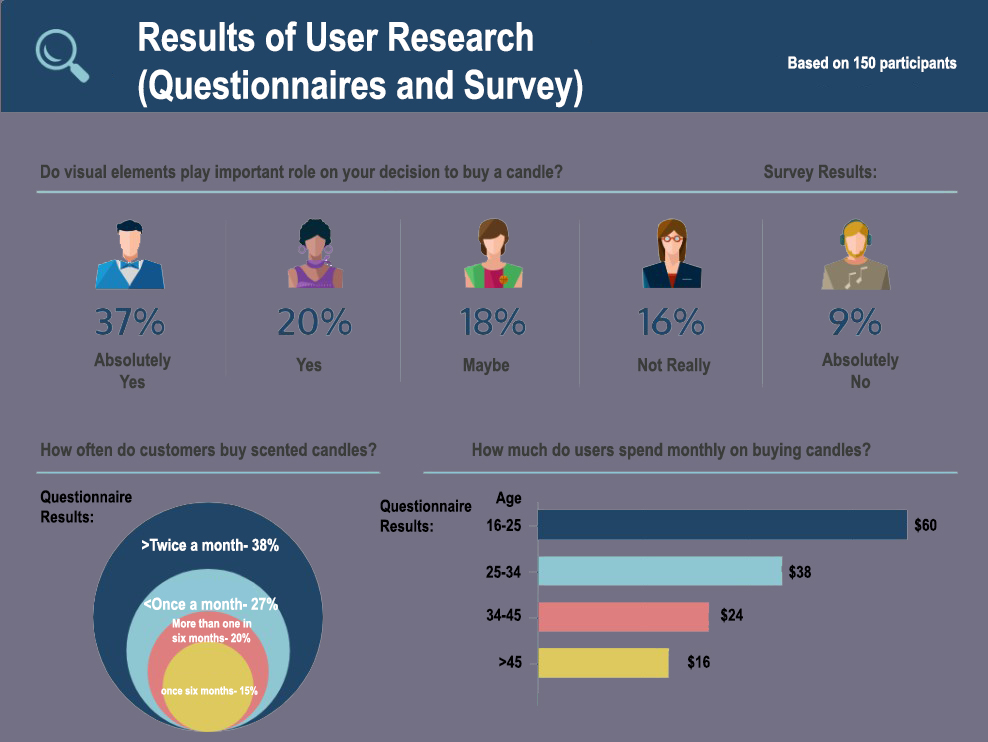
Below you can find an infographic that outlines the results of our user surveys and questionnaires and competitive analysis.
Questionnaires, Surveys, Insights
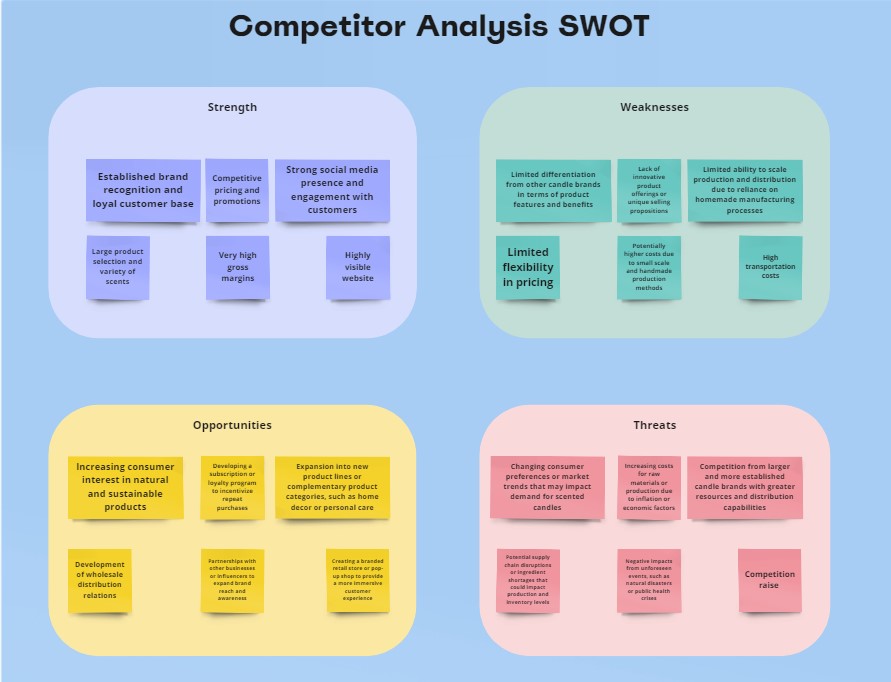
SWOT analysis on the competitors
Based on the insight to gain a deeper understanding of the context and the competition I conducting a SWOT analysis to help the team and the stakeholders to understand the internal and external factors that may influence the company's success.
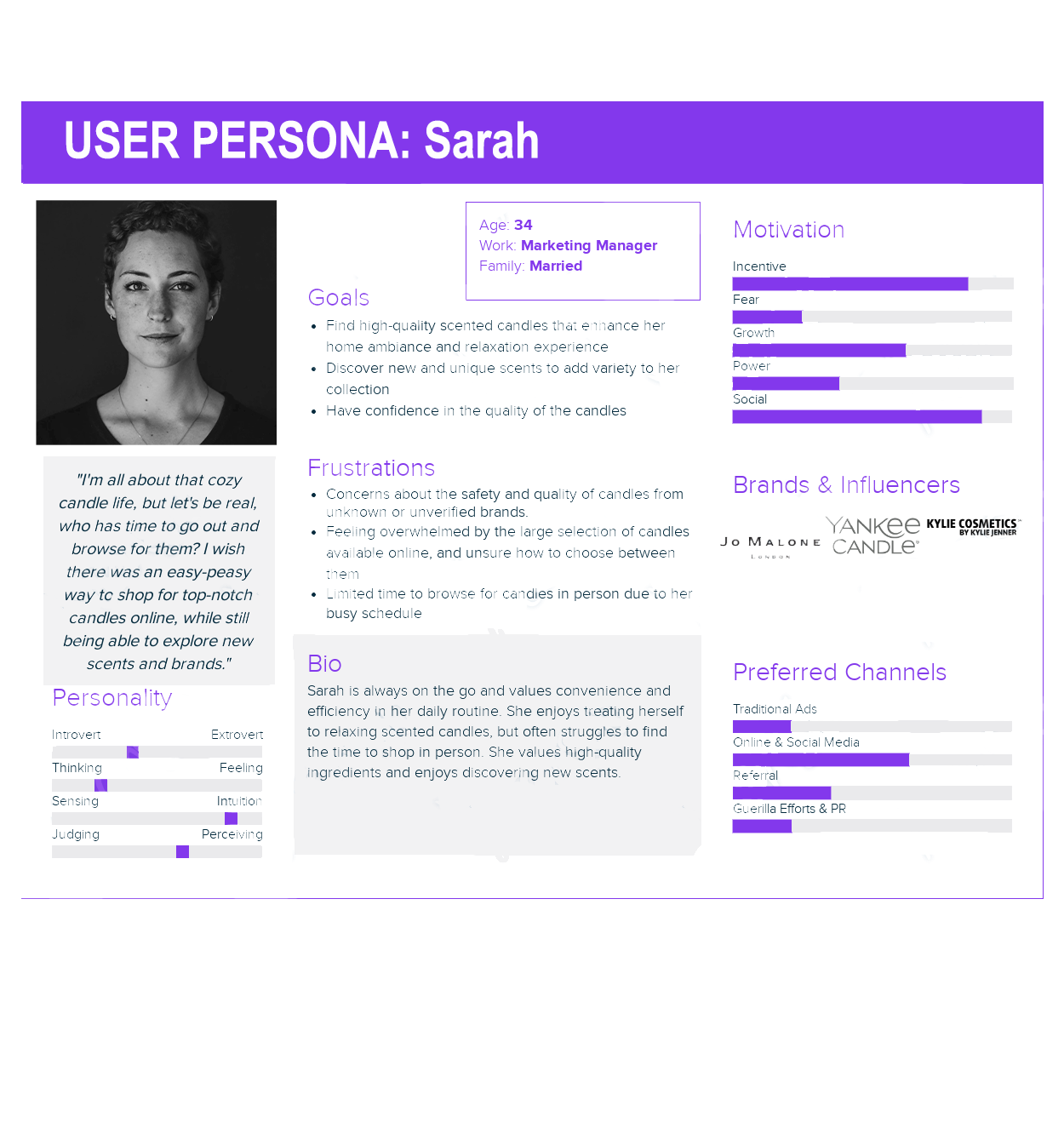
Personas
I used personas to help me better understand the needs, wants, and pain points of the target audience for the Freshland website. Personas are fictional characters that represent the different types of users who might visit the website. By creating personas, I was able to put myself in the shoes of the users and empathize with their needs and frustrations.
Personas helped me to:
1. Identify user goals and pain points: By researching and creating personas, I was able to gain a deeper understanding of what users want to achieve when visiting the website and the challenges they may face in achieving those goals.
2. Create user-centered designs: By designing for the personas' needs and preferences, I was able to create a more user-centered design that meets the needs of the target audience.
3. Test designs: Personas helped me to develop realistic scenarios for user testing. By testing the designs with the personas, I was able to identify usability issues and make design improvements that better align with user needs.
.png)
Use case scenarios
I created the main use case scenarios based on the personas I created above.
Scenario 1:
Emma visits the Freshland website and browses through the "Collections" section to see the different fragrance options available. She selects a few favorites and adds them to her cart. She then proceeds to checkout and is happy to see that shipping is free for orders over $50. She enters her payment information and completes the purchase.
Scenario 2:
Mark visits the Freshland website and looks through the "Gifts" section. He selects a few candles that he thinks his girlfriend will like and adds them to his cart. He sees that there is an option to include a personalized note with the order, so he writes a special message for his girlfriend. He then proceeds to checkout and is happy to see that there is an option for gift wrapping. He selects the option and enters his payment information to complete the purchase. He is happy with the ease of the checkout process and looks forward to giving the candles to his girlfriend.
Site Map and Wireframes
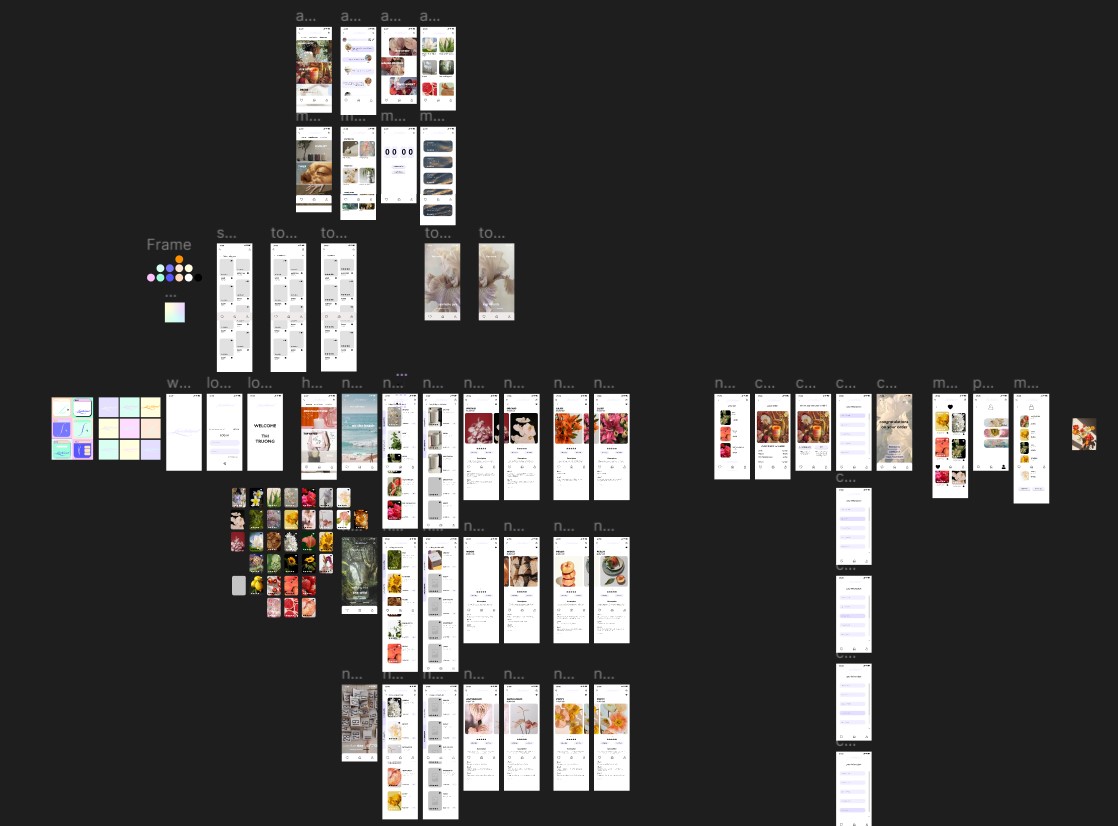
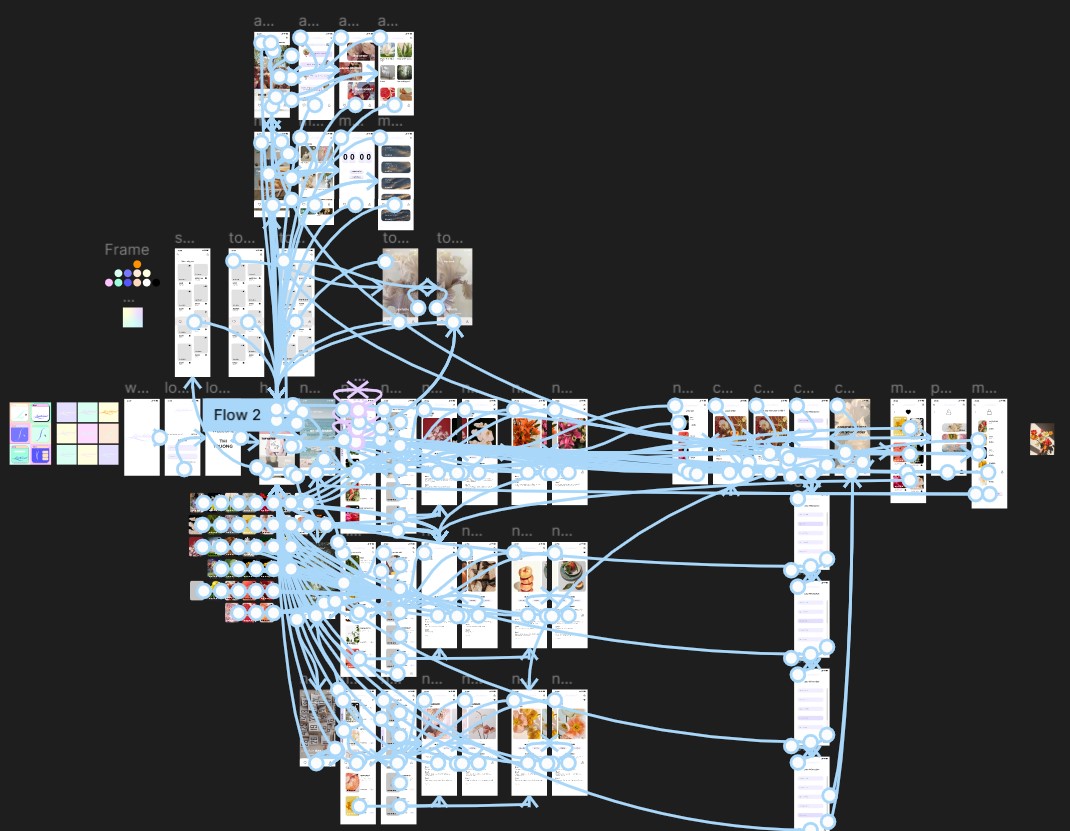
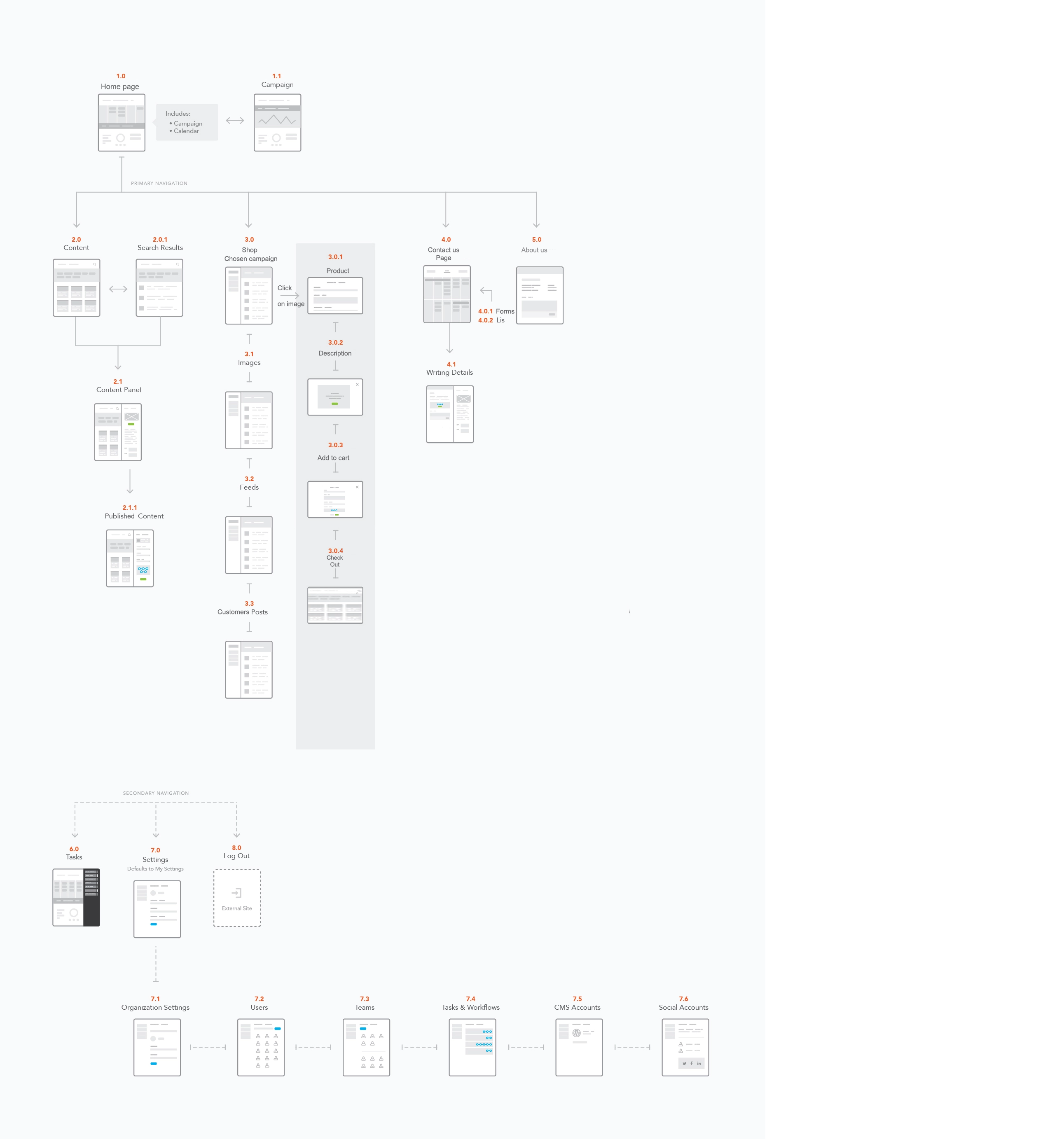
The site map is a visual representation of the Freshland website's overall structure and hierarchy of pages. The site map shows the different sections of the website, including the homepage, "Collections" page, "Contact" page, and "About Us" page. Each section is broken down into more specific pages, such as the "Single Collection" page, which shows a specific collection of candles, or the "Checkout" page, where users can complete their purchases. The site map also shows the links between the different stages of a users expirience, helping to demonstrate the overall flow of the website. This site map is a useful tool for understanding how the website is organized and how users can navigate through it to achieve their goals.
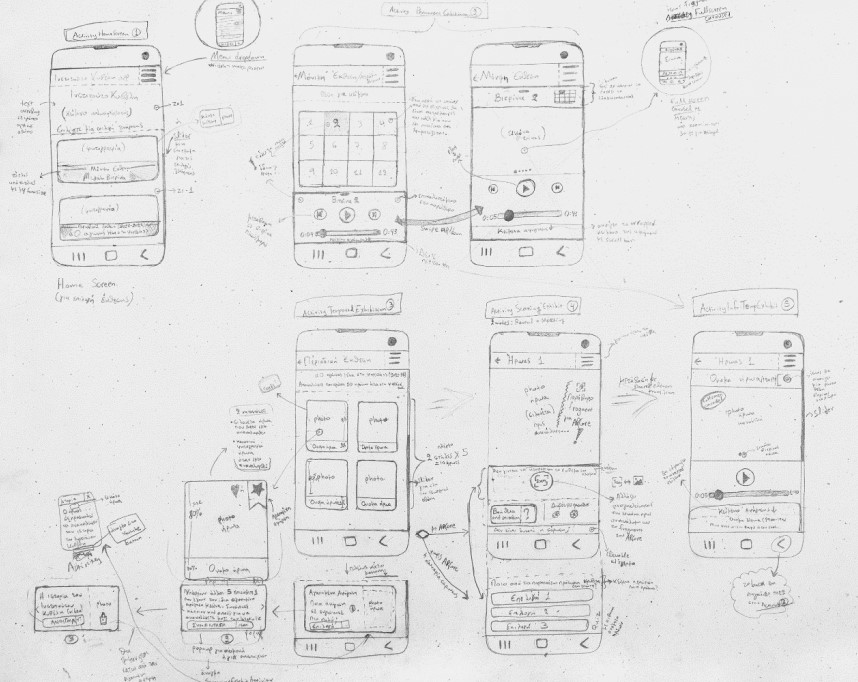
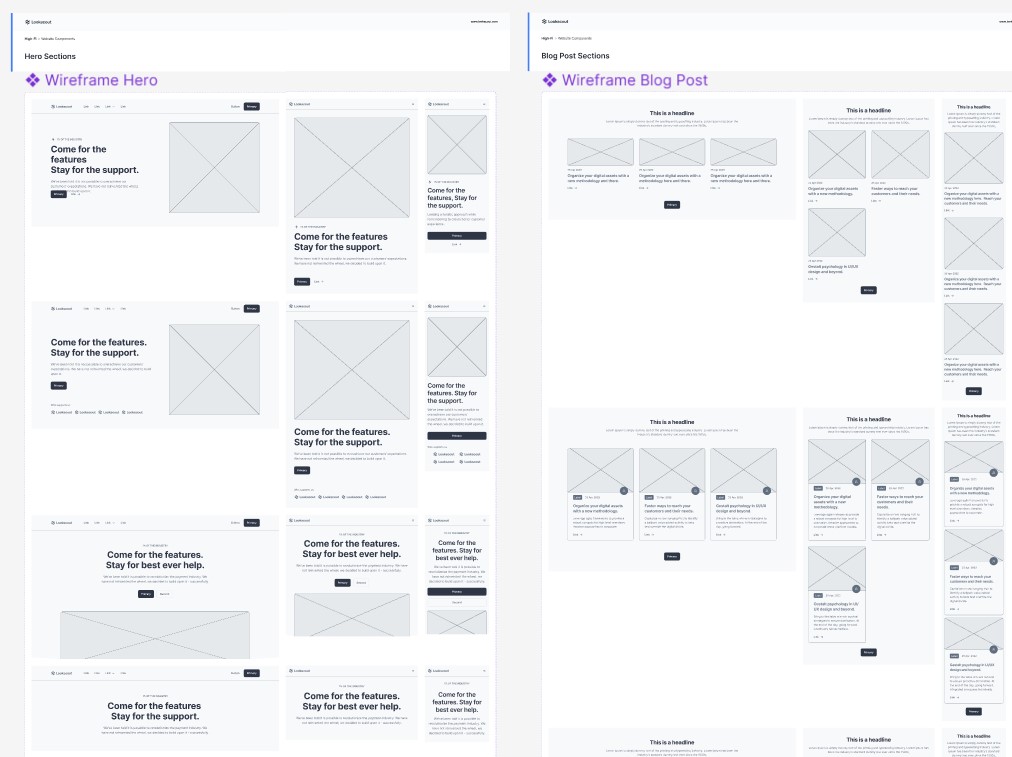
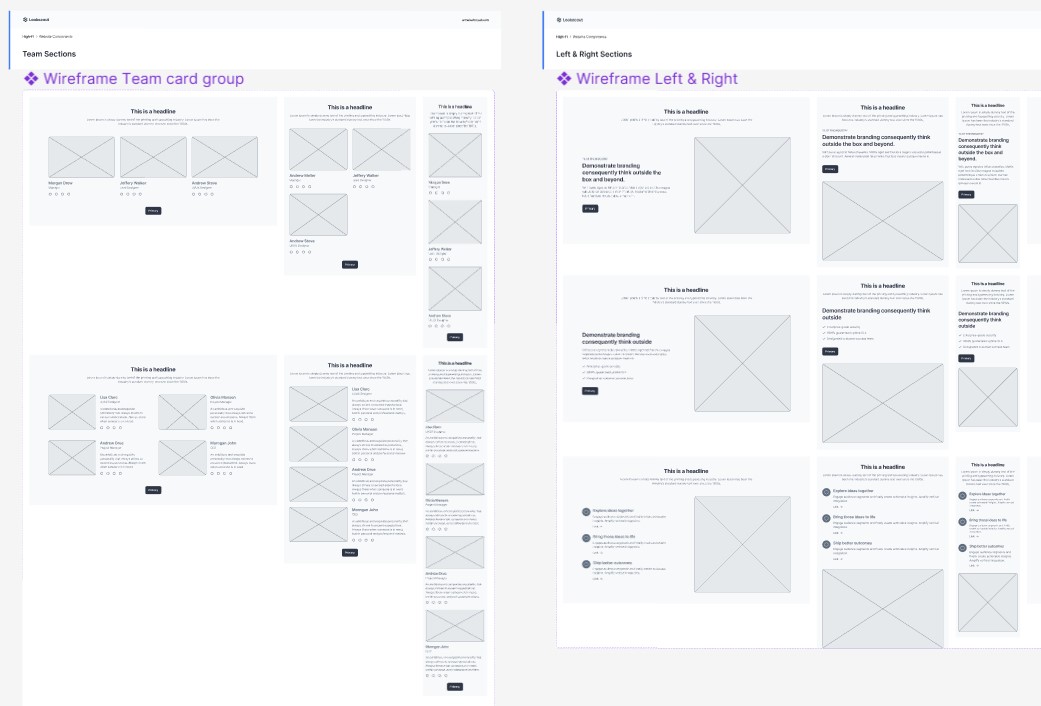
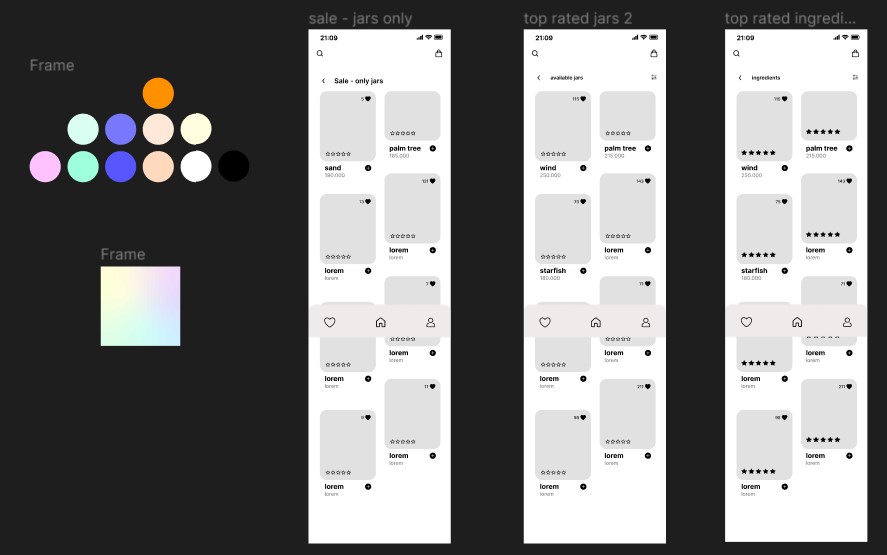
Paper and digital Wireframes
I create paper wireframes as an initial step in the design process. This is because they offer a fast and flexible way to experiment with layout and structure, and make it easier to iterate on design ideas. Additionally, paper wireframes are easy to share and collaborate on with stakeholders, allowing for quick feedback and adjustments. By using paper wireframes, I am able to streamline the design process and move towards a final product that is intuitive and user-friendly.
High-fidelity mockups and interactive prototypes
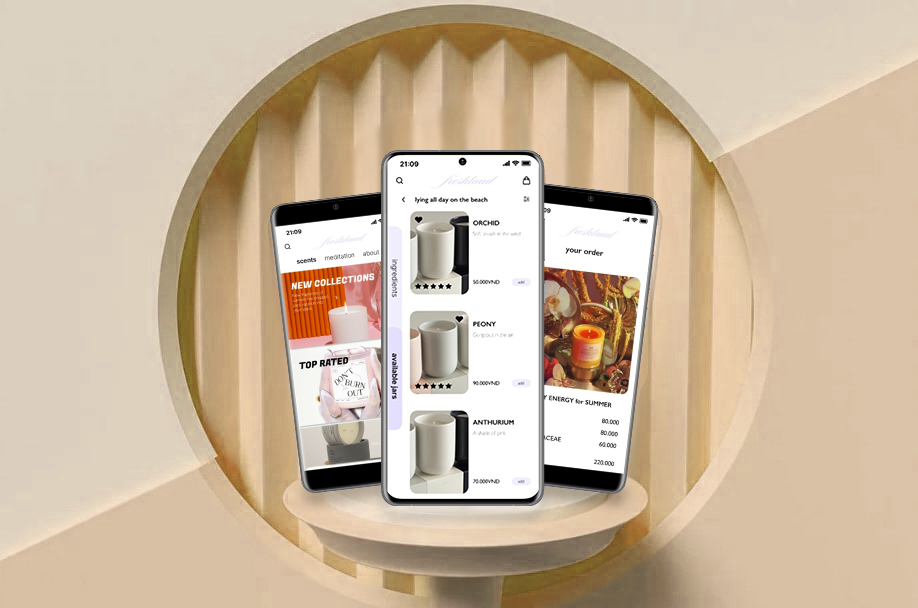
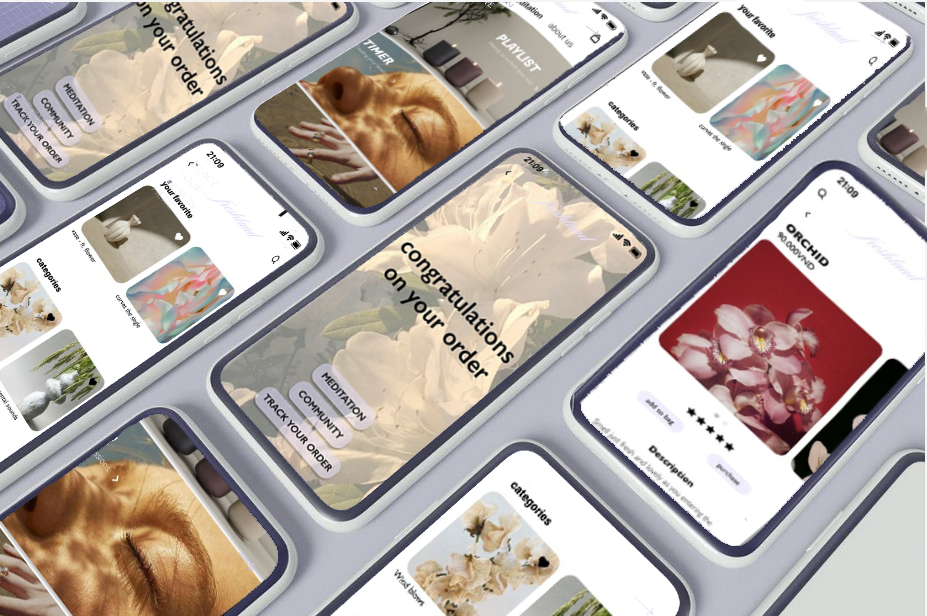
I created high High-fidelity prototypes to provide a visual representation of the layout and functionality of the website. High-fidelity prototypes allow me to easily make changes and updates, as well as share and collaborate with other members of the design team or stakeholders.